Ramadan Marketing Strategy 2026: A Week-by-Week Plan for GCC Brands
Ramadan 2026 is expected to begin around 19 February. A week-by-week plan for UAE, Saudi and Qatar brands, from pre-Ramadan prep to the week after Eid, with dayparting, creative rules and measurement.
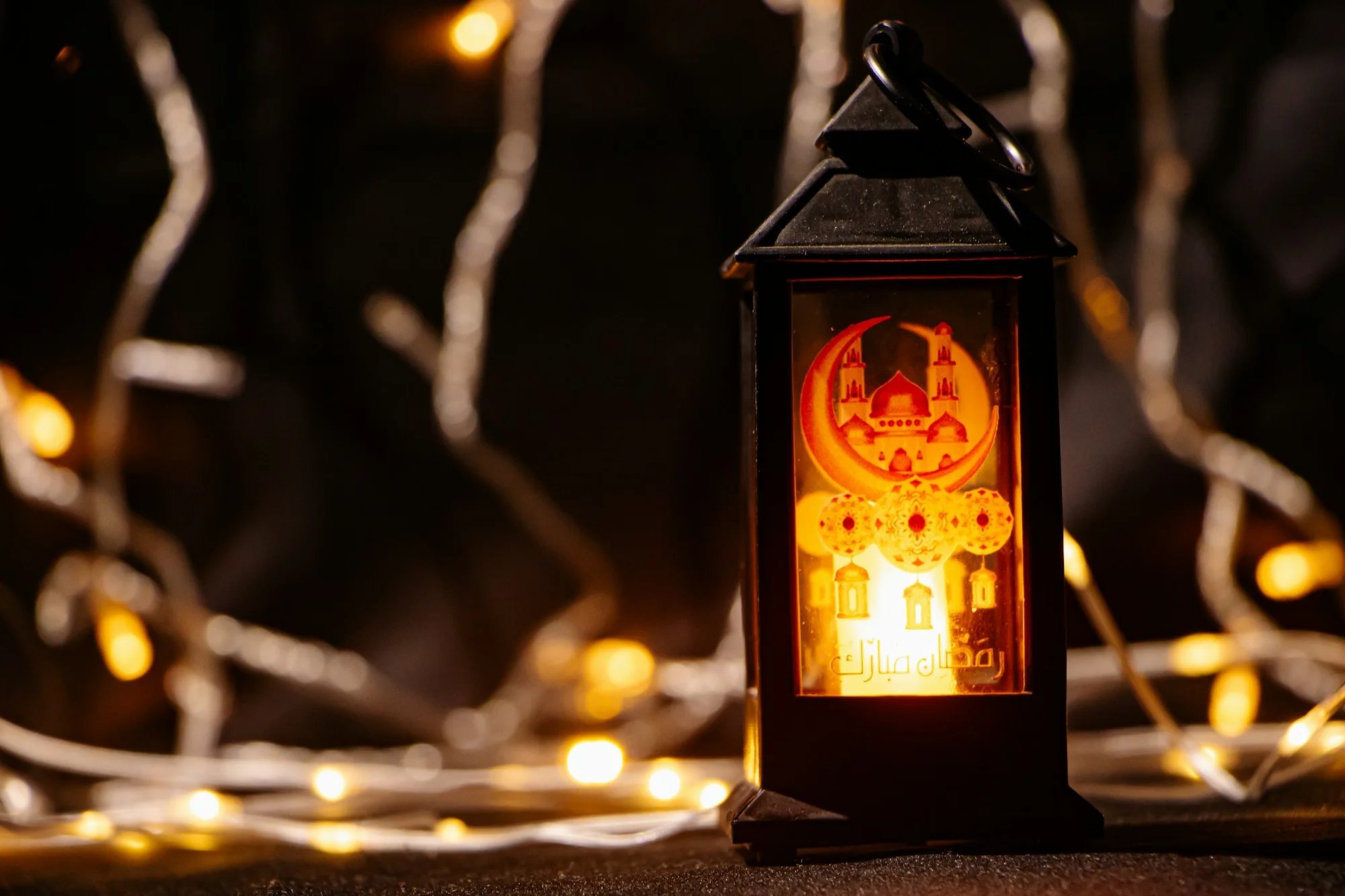
A Ramadan marketing strategy matches your campaigns to how people in the Gulf live during the holy month: earlier preparation, later nights, more giving and a burst of Eid shopping at the end. Ramadan 2026 is expected to begin around 19 February, so a plan built now has time to brief, produce and test before day one.
When is Ramadan 2026 and Eid al-Fitr?
Ramadan 2026 is expected to start on Thursday 19 February, with Eid al-Fitr expected on Friday 20 March. Both dates depend on the sighting of the crescent moon.
According to Khaleej Times, Khadijah Ahmad of the Dubai Astronomy Group expects the month to begin on 19 February and Eid al-Fitr to fall on Friday 20 March, and the latest calendar from Dubai's Islamic Affairs and Charitable Activities Department "suggests a 29-day month this time." The UAE Moon-Sighting Committee confirms the start on the eve of the month. Saudi Arabia and Qatar make their own announcements.
Build your plan with a one-day buffer on both ends. Book media flights and creator posts so they can shift by a day without penalty.
How does consumer behavior change during Ramadan?
People search more, plan earlier, give more and shift their day toward the evening. Each of those changes should shape when and how you advertise.
- More search: Google's Ramadan retail guidance (December 2023) reports that people in Egypt, Saudi Arabia and the UAE "made 7.2 billion general searches during the holy month" of 2023, "a 21% jump compared to Ramadan 2022."
- Earlier planning: the same article, citing TGM Research's 2023 Ramadan Global Survey, says "one in five start their preparations three to four weeks before the holy month actually starts."
- Bigger gifting budgets: it reports "46% of consumers increasing their gifting budget this holy month compared to last."
- More giving: in the same TGM survey, 59% said they were spending more on charity than the previous Ramadan. A Meta study with YouGov, reported by Arab News in February 2023, found more than 80 percent of shoppers in Saudi Arabia and the UAE took part in charitable activities during Ramadan and Eid.
- A different day: Google advises brands to focus "on maximising exposure at a specific moment during Ramadan, like suhoor, iftar prep, or iftar itself."
- Late conversions: an Ipsos article on Ramadan behavior on TikTok (March 2024) states that "36% of Ramadan-related conversions occur 2 weeks before and 1 week after Eid" and recommends a "50-day strategy instead of a 4-week one."
What does a week-by-week Ramadan marketing strategy look like?
Treat Ramadan as a season of about 50 days, from early February to a week after Eid, in four phases: prepare, settle in, give and celebrate. The countdown logic is the same as a White Friday marketing plan: work backward from the dates that matter most.
Now to 4 February: plan, brief and produce
- Map every campaign, creator post and email on one calendar, with Eid delivery cut-off dates marked.
- Choose your Ramadan role: helping people prepare, feeding the iftar table, gifting, giving or celebrating. One clear role beats five weak ones.
- Write Arabic copy natively for each market and get religious and cultural references checked before production.
- Pick a charity partner now if you plan a giving campaign, so the details are confirmed before launch.
5 to 18 February: the pre-Ramadan build-up
This is when preparation shopping starts. Google reports that searches for "house cleaning before Ramadan" rose 23X in the weeks before Ramadan 2023 across the UAE, Saudi Arabia and Egypt. Run home, grocery, decor and wardrobe messages, and start building audiences you will retarget later in the month.
Week 1 (about 19 to 25 February): settle into the new rhythm
Routines change overnight, so watch hourly results daily and move budget toward the hours that convert. In Saudi Arabia, Founding Day on 22 February falls in this first week if the dates hold. Argaam reported in 2022 that Saudi Arabia will mark "the Founding Day on Feb. 22 of every year." Keep any Founding Day creative respectful of the fasting month.
Week 2 (26 February to 4 March): community and iftar moments
Lean into gatherings, recipes and family time. Google saw search interest for "iftar special recipes" grow 19X in the lead-up to Ramadan 2023. Food, home and entertainment brands can own the late-afternoon iftar-prep window with short, useful content.
Week 3 (5 to 11 March): giving and the start of Eid shopping
This is a natural point to move into gifting and giving. Launch gift guides, bundles and donation mechanics, and start Eid outfit and gift retargeting for people who engaged earlier in the month.
Final days (12 to 19 March): the Eid push
The last ten nights of the month carry spiritual weight, and they overlap with the two weeks before Eid that Ipsos links to a large share of conversions. Keep giving messages sincere, push gifting with clear delivery promises, and stop advertising anything that cannot arrive before Eid.
Eid al-Fitr and the week after (about 20 to 27 March)
Switch to celebration, travel, outings and "Eid Mubarak" messages. Given the Ipsos finding on conversions after Eid, keep budgets live for the week after rather than stopping on Eid morning.
How should you schedule Ramadan ads in 2026 around suhoor and iftar?
Plan by moment, not by clock. The hours around iftar, the evening after it and the time before suhoor behave differently from a normal day, and your own hourly data is the best guide.
- Late afternoon (iftar prep): food delivery, groceries, recipes and quick fixes.
- After iftar: entertainment, shopping and longer video, when people have time.
- Late night to suhoor: browsing and considered purchases such as gifts and fashion.
- Daytime: lighter reminders and retargeting, not your most expensive reach buys.
Working hours also move. In 2025, the UAE's Ministry of Human Resources and Emiratisation announced that "working hours for private-sector employees during Ramadan will be reduced by two hours daily," as Gulf News reported. Expect a similar announcement for 2026 and re-check commute-time and lunchtime patterns in week one instead of copying last year's schedule.
What are the creative do's and don'ts for Ramadan ads?
Ramadan creative works when it feels like the month and respects it. In the Meta and YouGov study, more than 90 percent of shoppers in Saudi Arabia and the UAE said they like content promoting community and togetherness on Facebook and Instagram during Ramadan and Eid.
Do:
- Show real family, friendship and neighborhood moments, with casting that reflects your actual customers.
- Write in the dialect your audience speaks, and keep Modern Standard Arabic for formal messages.
- Make versions without music for audiences who prefer them during the month.
- Be specific about charity: who receives the money, how much and when.
Don't:
- Use Quranic verses, prayer or mosques as props to sell a product.
- Run loud, hard-sell creative during the last ten nights.
- Make giving claims you cannot document.
- Copy one Gulf market's creative into another without a local review.
How does Ramadan marketing differ across the UAE, Saudi Arabia, Qatar and the UK?
The month is shared, but audiences, languages and calendars differ.
- UAE: budget in AED and plan Arabic and English creative for a mixed audience of Muslim and non-Muslim residents. Shorter private-sector working days change commute and lunchtime patterns.
- Saudi Arabia: budget in SAR, lead with Arabic in a Saudi voice, and plan Founding Day on 22 February as a separate moment inside week one.
- Qatar: budget in QAR and plan for Garangao, the children's celebration around the middle of the month, which suits family, sweets and gifting brands.
- UK: the Office for National Statistics counted 3.9 million people in England and Wales describing themselves as Muslim, or 6.5% of the population, in the 2021 Census. Fasting days are shorter in February and March than in summer, so iftar falls in the early evening, close to commuting hours.
How do you measure a Ramadan campaign?
Measure the whole 50-day season, not single weeks, and compare it with last Ramadan by day of the month rather than by calendar date, because Ramadan moves earlier each year.
- Split reporting into pre-Ramadan, Ramadan weeks one to three, the final days and post-Eid.
- Track conversion rate by hour of day to confirm your dayparting.
- Use one de-duplicated conversion count across channels, so Snapchat, TikTok, Meta and Google don't each claim the same Eid order.
- Report new customers and their repeat purchases after Eid, not just in-season ROAS.
How Grower helps
Grower is an AI marketing platform for planning and running seasons like Ramadan in one system. The marketing calendar puts campaigns from every channel on one timeline by month, week or day, so overlaps, gaps and launch dates show up before they cost you. The Creative Hub generates ad options you compare and accept into your asset library. Brands with several branches or markets can run a campaign group per location, with budgets, personas and calendars for each, and generate localized ads from shared brand guidelines. See how it works for multi-location brands.
Frequently asked questions
When does Ramadan 2026 start?
Ramadan 2026 is expected to begin on Thursday 19 February, according to the Dubai Astronomy Group's forecast reported by Khaleej Times, with Eid al-Fitr expected on Friday 20 March. The official start depends on the crescent moon sighting, announced on the eve of the month, so plan media and creator posts with a one-day buffer.
When should brands start Ramadan campaigns?
Start planning at least a month ahead and go live with pre-Ramadan messages about two weeks before the first fast. Google, citing TGM Research, reports that one in five people start preparing three to four weeks before Ramadan, and Ipsos recommends a 50-day strategy rather than a four-week one.
What are good Ramadan campaign ideas for 2026?
Pick one role and do it well: helping families prepare, making iftar easier, gift guides for the last two weeks, a transparent giving campaign or late-night entertainment. Tie each idea to a moment in the day, such as iftar prep or after iftar, and to a phase of the month, so creative and budget move together.
What are good Eid campaign ideas?
Gift bundles with guaranteed delivery before Eid, outfit and beauty edits, Eid greetings people can share, and family outings or travel offers for the holiday itself. Keep campaigns running for a week after Eid, since Ipsos reports that a share of Ramadan-related conversions happens in the week after the celebration.
Planning your Ramadan campaign for 2026 across several markets or branches? Book a Grower demo to see your calendar, creative and budgets in one place before the month begins.